Crown Lifting in Eastham
If you are looking for crown lifting in Eastham, you are probably trying to solve a practical problem rather than simply improve the look of a tree. Lower branches can block light into a front room, make a driveway feel cramped, interfere with paths or fences, and reduce clearance for cars, bins, delivery vans, and pedestrians. In a busy local area like Eastham, where homes, gardens, schools, shops, and work premises all sit close together, the right tree work can make a noticeable difference to day-to-day life. Careful crown lifting can open up a space, improve access, and help a tree feel more balanced without removing it entirely.
For local property owners, the value of this service is often about achieving a better relationship between the tree and the space around it. A well-finished lifted crown can allow more daylight into a garden, reduce the risk of branches brushing against roofs or vehicles, and make it easier to use outdoor areas throughout the year. At the same time, the work needs to be carried out thoughtfully so the tree keeps its natural shape and remains healthy. That is why customers in Eastham often look for a local team that understands both the practical needs of the property and the correct pruning approach.
Whether you are managing a family home, a rental property, a business frontage, a communal garden, or a larger site with established trees, crown lifting should be planned properly. The right service is not just about cutting lower growth away; it is about selecting the right branches, leaving the right amount of foliage, and working in a way that suits the tree species, age, and location. Done well, crown lifting can improve usability, appearance, and safety while supporting the long-term condition of the tree.
What Crown Lifting Means for Eastham Properties

Crown lifting is the process of removing selected lower branches from a tree’s canopy so that the clear stem height is increased. The aim is to create more space underneath the canopy while maintaining the main structure of the tree. In practical terms, this can improve access for pedestrians and vehicles, make a garden feel less enclosed, and reduce conflict between the tree and nearby buildings, fencing, or boundary lines. For many customers seeking crown lifting Eastham services, the job starts with a simple question: how can the tree remain attractive and healthy while making the property more usable?
In Eastham, trees are often found in settings where space is valuable. Front gardens may be compact, side access can be narrow, and boundary planting may sit close to pavements or shared drives. In these situations, a low canopy can cause frequent issues. A lifted crown can provide more headroom along a path or driveway, reduce the need to duck under branches, and help prevent leaves, twigs, and wet foliage from hanging too close to daily routes. It can also create a tidier, more open feel around a home or business entrance.
It is important to understand that crown lifting is not the same as heavy reduction or topping. The work should be selective and proportionate, taking away lower branches in a way that respects the tree’s form. A skilled arborist will think about the tree species, the current spread of the crown, how much clearance is needed, and whether the tree can safely tolerate the change. That careful approach matters because tree pruning should support long-term stability, not create problems later.
Why Local Customers Request Crown Lifting
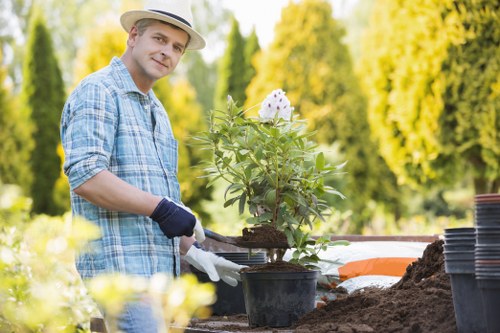
People usually request crown lifting for practical reasons. One common concern is shade. A mature tree can cast significant shade across a living room, kitchen, patio, or vegetable bed, and the lower branches often contribute to the feeling of enclosure. Raising the canopy can bring more natural light into the space without removing the tree completely. This is especially helpful for front gardens and narrow side passages where there may only be a modest amount of open sky to begin with.
Another common reason is access. In Eastham, many properties have driveways, shared parking areas, garden gates, or routes to outbuildings that become awkward when branches hang too low. A tree with a low crown can make everyday tasks frustrating, from bringing in shopping to moving wheelie bins or accessing a garage. For commercial customers, clearance is just as important. Shops, offices, small industrial units, car parks, and communal spaces all benefit when trees no longer interfere with movement, loading, or visibility.
Customers also ask for crown lifting when branches begin to create conflict with nearby structures. Low growth can rub against roofs, sheds, gutters, fences, and satellite installations, particularly in windy weather. Even when direct contact is not happening all the time, the repeated movement of branches can cause wear or nuisance over time. A well-planned lift can reduce this friction and make the whole property easier to manage. This is one of the reasons local tree maintenance is so valuable: it tackles day-to-day issues before they become bigger and more expensive to resolve.
How Crown Lifting Is Carried Out

A professional crown lift begins with inspection. The tree is assessed to identify the right branches to remove and to check for signs of weakness, disease, decay, poor unions, or stress. This is especially important because lower limbs are not all equal. Some branches are structural and should remain in place; others may be suitable for removal because they are overcrowded, low, or growing in a way that creates conflict with the site. The objective is to improve clearance without leaving the canopy lopsided or overexposed.
Once the plan is clear, the work is performed with appropriate tools and safe working methods. The cuts should be made neatly and in the right places, typically back to the branch collar or to suitable growth points, depending on the species and the desired outcome. This helps the tree compartmentalise the wounds effectively. A good arborist will avoid leaving stubs or removing too much at once. In many cases, the best result comes from a measured approach that leaves the tree looking natural rather than stripped from below.
In some situations, crown lifting may be combined with other forms of pruning. For example, a tree might also need selective deadwood removal, light thinning, or minor reshaping to improve balance after the lower branches have been taken out. The exact approach depends on the species and the site. A mature tree near a road may need slightly different treatment from one in a back garden or shared courtyard. Professional judgement is essential because the same finish is not suitable for every tree.
Benefits of Crown Lifting for Homes and Businesses
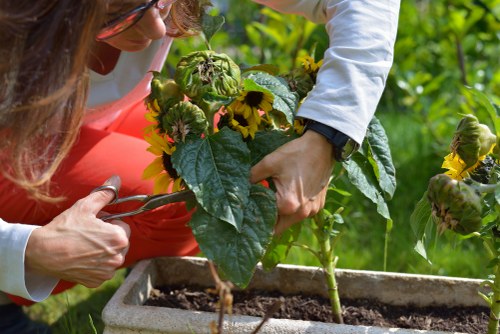
For homeowners, the most visible benefit is improved space. A lifted crown makes a garden feel more open and easier to use. Children can play under the tree more safely, paths become clearer, and outdoor seating areas can feel less enclosed. In some cases, the work can also make it easier to mow lawns, maintain borders, or store bins without constantly working around low-hanging branches. That extra convenience is a major reason customers in Eastham search for local tree care help.
Another benefit is better light. Lower branches can block daylight in a way that affects both the interior and exterior of a property. By raising the canopy, you can often improve the amount of sunlight reaching windows, patios, and planting areas. This can be particularly helpful for homes with north-facing spaces or gardens that already receive limited direct light. More daylight can change how a property feels, especially during the darker months.
For business owners and property managers, crown lifting can improve presentation and function at the same time. A tidy, well-maintained tree line can make a frontage more welcoming, help routes remain clear, and reduce the risk of nuisance from low branches. In places where staff, customers, and deliveries all need room to move, the practical value is obvious. It also demonstrates that the site is being managed properly, which matters for both appearance and safety.
Typical advantages at a glance
- More clearance for walking, parking, and access routes
- Better daylight into gardens, rooms, and entrances
- Less interference with fences, roofs, and gutters
- A cleaner and more open appearance
- Improved usability of outdoor space
- Reduced nuisance from low branches near daily pathways
Why Eastham Customers Benefit from a Local Tree Team
Choosing a local company for crown lifting in Eastham brings practical advantages. Local teams understand the mix of property types in the area, from terraced homes and semis to larger gardens, commercial premises, and shared-access sites. They are also more likely to be familiar with the access problems that come with narrow streets, limited parking, enclosed rear gardens, and properties where equipment has to be carried through side access or around obstacles. These details matter because they shape how the work is planned and completed.
A local service also tends to be more responsive when a job is time-sensitive. If branches are starting to obstruct a driveway, interfere with a pathway, or affect a business entrance, customers often want the issue assessed promptly. Local teams are usually better placed to visit, inspect, and advise on the most sensible solution. They can also recommend whether the work should be scheduled at a particular time of year or whether it would be better to combine crown lifting with another maintenance task.
Another benefit is that local professionals are more likely to understand the practical realities of shared boundaries and neighbouring properties. In a built-up area, tree work often needs to be done with care around fences, sheds, garages, utilities, and adjacent gardens. A nearby team that regularly works in Eastham and the surrounding districts is often well placed to handle these conditions sensibly. That local familiarity can save time, reduce disruption, and lead to a better finish.
What Is Included in a Crown Lifting Service?
A well-organised service usually includes several key stages
Customers often want to know exactly what they are getting before they book. A proper crown lifting service should start with an inspection of the tree and the site. This allows the arborist to identify the branches to be removed, any constraints around access, and any possible risks. It is also the point where the client can explain the outcome they want, such as more clearance over a driveway, better light in a garden, or a tidier look along a boundary.
After the assessment, the work is carried out with the correct equipment and safe working practices. Depending on the tree and the site, this may involve hand tools, pole saws, climbing techniques, or other methods that allow selective removal without damage to the rest of the tree or the surrounding property. The team should work carefully to avoid unnecessary disturbance to lawns, beds, paving, and nearby structures. Any debris created should be gathered and managed as part of the job.
When the pruning is complete, the canopy should be checked for balance and appearance. The aim is a clear but natural-looking structure. Customers often appreciate a finish that looks tidy without leaving the tree bare on one side or awkwardly shaped. Good crown lifting is noticeable because the space feels better, not because the tree looks harshly cut back. That is an important distinction for anyone wanting a professional result.
Common inclusions may involve:
- Site and tree assessment before work begins
- Selective removal of lower branches
- Attention to safe clearance levels for access areas
- Careful cutting to support tree health
- Removal or management of arisings, depending on arrangement
- Final tidy-up of the work area
How to Prepare for Crown Lifting
Preparing for the work does not need to be difficult, but a little planning can make the visit smoother. If the tree is in a front garden or near a driveway, it helps to make sure access is clear so equipment can be brought in safely. Moving vehicles away from the working area, if possible, can also reduce the chance of delays. For properties with narrow side access, it is useful to mention gates, steps, steep paths, or tight corners in advance so the team can plan accordingly.
It is also worth identifying any features near the tree that should be protected or pointed out before the work starts. This might include fencing, ornaments, sheds, planting beds, water features, lighting, or overhead lines in the wider area. If the tree stands close to a neighbour’s boundary, it can be helpful to think about how the branches extend on both sides so any concerns can be discussed early. Clear communication helps ensure the job runs efficiently and avoids unnecessary surprises.
Before booking, many customers also like to think about what they want the end result to achieve. Do you need more headroom for vehicles? Better visibility at an entrance? More sunlight for a lawn or patio? A cleaner look for a commercial frontage? The clearer your goal, the easier it is for the arborist to recommend the right level of lift. Being specific helps achieve a result that suits your property.
Preparation checklist
- Keep access routes to the tree clear.
- Move cars, bins, or other obstacles where possible.
- Point out fragile features, nearby structures, or tight access areas.
- Consider any neighbour boundaries or shared spaces.
- Think about the clearance or light improvement you want to achieve.
Pricing Factors for Crown Lifting in Eastham
Customers often ask what affects the cost of a crown lift. While it is not sensible to guess at exact prices without seeing the tree, there are several common factors that influence how a job is priced. Tree size is one of the main considerations. A taller, broader tree generally requires more time, more careful planning, and potentially more specialised access methods than a smaller ornamental specimen. Species can also matter, because some trees have denser canopies or more complex branch structures than others.
Access is another major factor. A tree in an open garden may be easier to work on than one in a confined rear plot with narrow entry, limited parking, or obstacles around the base. The amount of waste produced can also affect the price, especially if the tree is large or the lower crown is particularly dense. If the work is being done in a sensitive environment, additional measures may be needed to protect nearby surfaces, landscaping, or structures.
There is also the question of whether the tree needs anything beyond a straightforward lift. If deadwood, diseased branches, or awkward growth must be addressed at the same time, the job may take longer. Commercial sites may have extra planning considerations too, especially where work needs to be timed around customers, deliveries, or site access. That is why an on-site assessment is often the best way to understand the scope of work.
For local customers, the most useful approach is usually to request a tailored quote based on the actual tree and access conditions. That way, the scope is clear and the work can be proposed sensibly. If you are comparing services, look at what is included, how the tree will be treated, and whether the team appears to understand the practical realities of your property. A clear, itemised approach is usually better than vague assumptions.
Where Crown Lifting Is Often Needed Around Eastham
Eastham includes a mix of residential streets, local shopping areas, schools, community spaces, and workplaces, which means trees can create different kinds of access and clearance issues depending on the setting. In residential areas, crown lifting is often requested where branches have grown low over drives, pavements, or front lawns. In older gardens, mature trees may have developed broad lower limbs over time, and these can start to dominate the space if they are not maintained.
Commercial customers may need the work for entirely different reasons. Business forecourts, car parks, access roads, and shared service areas often need clear lines of movement. Low branches can make a site feel cramped or create issues for taller vehicles. In some cases, businesses want to improve the look of their entrance while keeping the trees that add character and shade. A lifted crown can achieve that balance well.
Nearby areas can also influence the type of job required. Properties close to busier roads, main access routes, or mixed-use locations may need regular tree maintenance to keep routes open and reduce nuisance. In other parts of Eastham and the surrounding Wirral area, there may be tighter plots or older planting where a carefully managed lift improves the whole feel of the property. The right solution depends on the site, not just the tree.
Why Crown Lifting Should Be Done Carefully
Although crown lifting sounds straightforward, it needs judgement. Removing too much from the lower part of a canopy can change how the tree responds to wind and sunlight. It can also alter the balance of the crown in ways that are not obvious at first. Trees rely on a stable structure, and pruning should respect that structure rather than forcing a dramatic change unless there is a good reason. A rushed or excessive lift can leave the tree looking sparse, expose bark and limbs too much, or create weak regrowth later on.
Care is especially important with mature trees or trees that already show signs of stress. If the tree has been repeatedly cut in the past, or if it sits in a challenging location with restricted rooting space, then the pruning needs to be planned with extra caution. A sensible arborist will consider the tree’s condition before deciding how much lower growth to remove. That thoughtfulness helps protect the tree and gives the customer a better long-term outcome.
For customers, this means the best choice is usually not the quickest or most aggressive one. Instead, it is the team that explains what will be removed, why it is needed, and how it will improve the site without overdoing it. That approach is particularly important in Eastham, where a lot of trees are part of lived-in, well-used spaces. The tree should work for the property, not against it.
Signs your tree may benefit from crown lifting
- Low branches are blocking a driveway, path, or entrance
- Daylight into the house or garden is restricted
- The lower canopy is interfering with fences, sheds, or gutters
- The tree makes the space feel cramped or difficult to use
- Branch height is causing problems for vehicles or pedestrians
Frequently Asked Questions
How high should a crown be lifted?
There is no single answer, because the right clearance depends on the tree species, the size of the site, and what the tree is overhanging. A garden tree may only need modest lifting, while a tree over a drive or access route may need more clearance. The important part is that the height should suit the practical use of the area and remain appropriate for the tree itself.
Will crown lifting damage my tree?
When done properly, crown lifting should not damage the tree. The cuts should be selective and carried out in the right places. Problems usually arise when too much is removed or the pruning is done without understanding the tree’s structure. That is why a skilled, local tree professional is valuable.
Can crown lifting be done on mature trees?
Yes, but mature trees need careful assessment. Older specimens may have larger branches, heavier canopies, and more sensitivity to sudden change. A measured approach is usually best so the tree remains stable and attractive after the work.
Is crown lifting suitable for commercial sites?
Absolutely. Businesses often need better access, improved safety, and a tidier appearance around entrances, car parks, and service areas. Crown lifting can help create the space needed without removing a valuable tree entirely.
What happens to the branches and waste?
This depends on the service arrangement, but the work usually includes gathering and managing the resulting branches and debris. If you have specific preferences, such as keeping woodchips or timber, it is best to discuss them before the job begins.
Book Crown Lifting in Eastham
If your trees are starting to block light, crowd access routes, or interfere with daily use of your property, crown lifting may be the practical solution you need. It can improve the space around your home or business while keeping the tree in place and maintaining a natural look. For many Eastham customers, that balance is exactly what makes the service worthwhile.
Whether you need help with a front-garden tree, a boundary line specimen, a rear-garden canopy, or trees on a commercial site, a local assessment can show you the best way forward. The key is to choose work that suits the property, the tree, and the way the space is used. Contact us today to discuss your crown lifting requirements and request a free quote tailored to your site.
Book your service now if you want a safer, lighter, and more usable outdoor space without losing the benefits of mature trees. A careful crown lift can make a noticeable difference throughout the year, and an experienced local team can help ensure the work is completed with the right level of attention and care.
Areas covered
We provide crown lifting for customers in Eastham and nearby parts of the surrounding area, supporting both residential and commercial properties where clearance, light, and access are important.